Among the many types of props used on stage, there is much planning, safety, and creativity required to enhance a great show.
Props + How They Are Used
Props (short for “theatre property”) are objects that are used on stage in many ways. Props are meant to create a better sense of immersion in the audience during a performance.
There are some different types of props that can be seen in theatres:
- Hand props which are worn or carried by actors and picked up on stage
- Personal props for individual actors that are a part of their characters, which could be certain jewelry or a detective holding a notebook
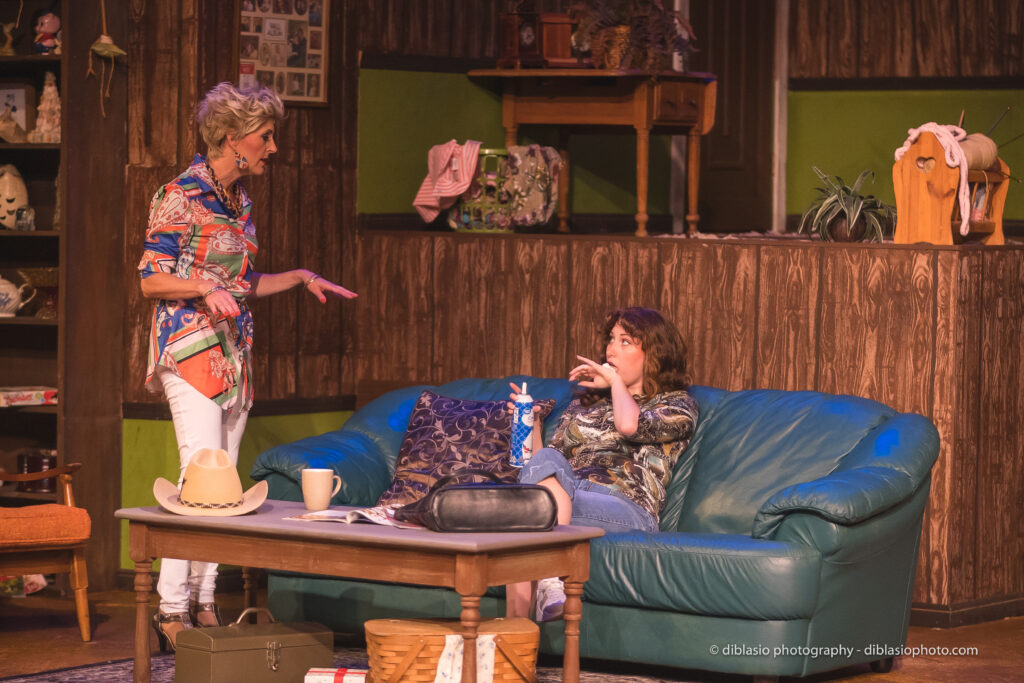
- Set props like furniture that actors interact with
- Set dressing meaning practical objects like lamps or trim props that hang on the wall
- Greens (plants)
- Mechanical special effects that don’t need to be plugged in to operate
- Atmospherics like snow or fog

These tangible objects create color, texture, balance, and attract the audience’s eye to better understand and feel the story. If used correctly, props sort of blend into the scene to make it more realistic and eye pleasing, to help transport the viewer into the time and place. If misused, you risk breaking the blur you’ve created between actor and audience member.
This means props should be coherent to the style, setting, and time period of the show, because props don’t just look pretty, but they drive the narrative.

Props can mark the plot or create transitions between scenes. Certain objects could reveal something big happening, like a letter revealing a secret, or it can show the passing of time in seasons. Props can also show changes in emotion or location.
Well-chosen and realistic props can help explain character traits, social status, and cultural background without using dialogue, because certain objects have symbolic meanings to us.
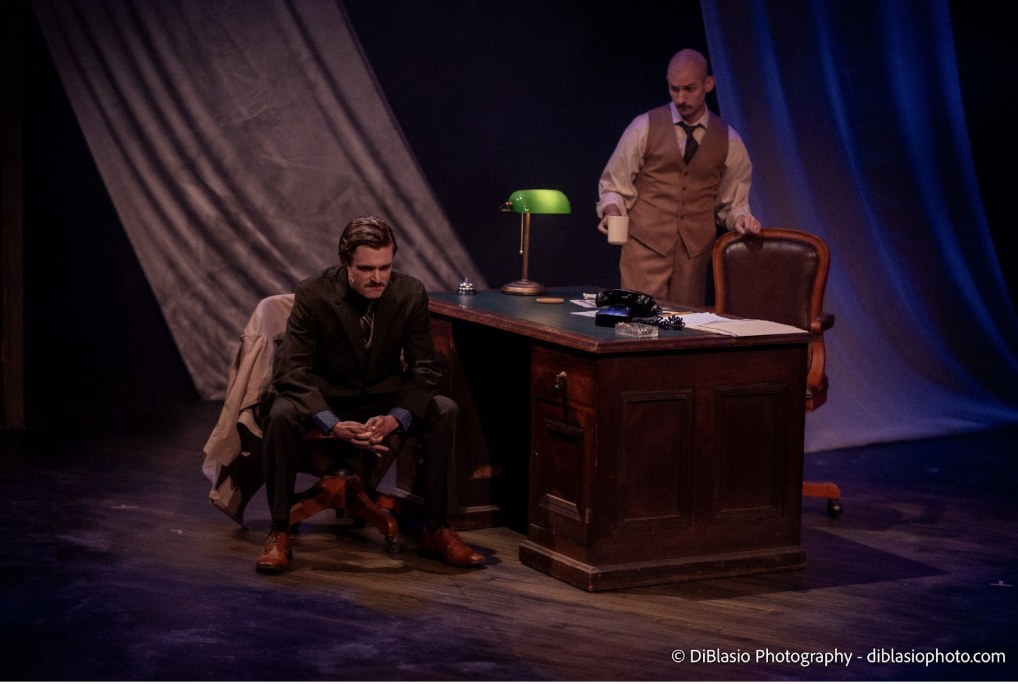
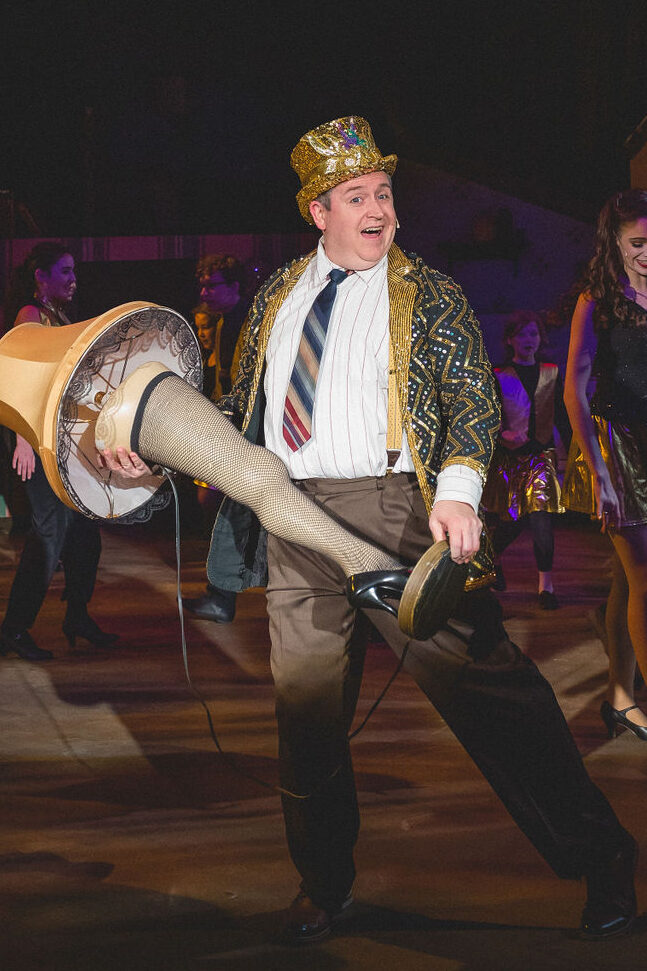
Props then get used in creative ways, like making interactions memorable or directing our attention. While removing or altering a prop could be noticeable or help the audience perceive changes. When consistent with the style of play, props work to make visual sense of the setting and plot, and can even stylize it to create a more in depth and impactful performance.
Props create laughter, confusion, suspense, tension, surprise, or connecting of the dots. The most important function of props is to give characters choices, movements, and consequences.
Another fun use is for special effects! This includes fake weapons, fake smoking, and breakaway bottles or furniture.
So what makes a good prop? The answer is style, read, and function.
- Style: The prop should blend in and flow with the existing style within the show design and necessities, depending on location, time period, and size. Props should look realistic relative to the style of the show.
- Read: The audience should be able to see and understand the object from their seat–the object can be seen from up close and from afar.
- Function: Props must be able to hold the weight of actors, breakaway when they should, make noise when they should…and do all of that more than once! Food must also be palatable and all props should be safe to use on set.
Department Responsibilities + Prop Management
Like most positions in theatre, the prop department is a very collaborative one. They need a lot of information about the show aesthetics and prop needs, and then each prop’s specifications. This starts with a small model made of the set design, in which there are small models of each prop as well. These prop builders must have discussions with the show designer about durability, materials, how props will be used, what the actors will need to do with them, and how they will be stored. Prop designing, creating, and implementing requires a lot of planning and safety considerations, as well as strict management.
Starting with the prop creation, it takes a special attention to detail and handy craftsmanship to build unique and realistic props. Many theatres use Expanded Polystyrene (EPS), a type of foam, to mold and shape props of any kind. It’s lightweight, easy to cut and carve, and good for paint to adhere to it, while being versatile, reusable, and waterproof. It is ideal for set walls and complex scene props.
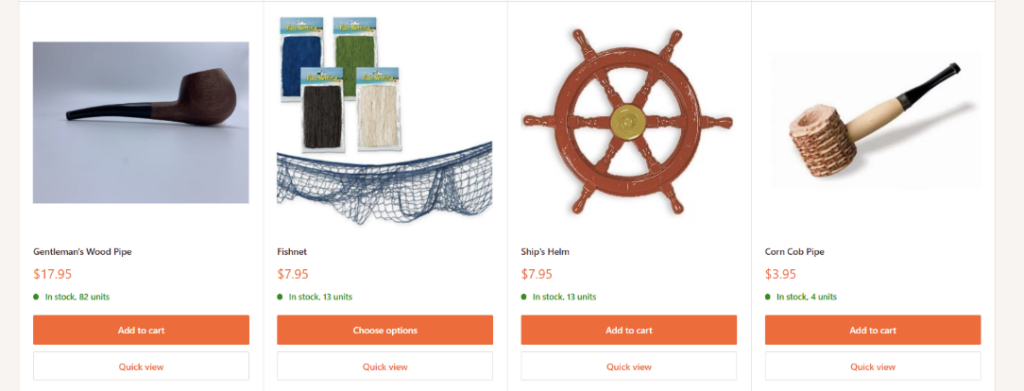
To make these hard props (metal, wood, plastic) and soft props (cloth or foam), requires great skill, like woodworking, metalworking, upholstery, painting, carving, and sculpting with all kinds of materials. These materials or props can be sourced from prop stores, reused, made from scratch, or even often bought at antique stores!
Once the creators make the prop, they then need to paint it. They do all of this in time for tech rehearsals to preview the prop and see if it needs any alterations. After that they must maintain the prop by keeping track of it and keeping it safe.

This involves having a prop table that is sectioned and labeled where each prop returns when it is not being used.
Some theatres, like Weathervane, may reuse the prop across multiple shows, and this takes much planning and proper storing of props. Some theatres also sell their props once they are used.
For the more intensive props that need special attention, like fake weapons, food, money, or blood, there are more rules regarding those props.
Special Props
Fake weapons are treated like weapons first, and props second. To ensure safety, only specific people on set are allowed to touch these props, and no one plays with them. Fake knives and guns can have malfunctions, so it is important for the actors to understand the dangers and how they function. For example, prop guns have air vents to release the gas out of the gun when it fires, these can easily get jammed or someone can be standing in a dangerous area where the gas forcefully releases. And retractable knives can also get jammed and not retract.
Food to be eaten on stage takes much preparation to determine what is in it and how it is stored to be up to food safety standards. The food should taste good for the actor, and is prepared in a clean kitchen by select people.
Fake money can’t look too real. The government regulates the use of fake money for performances, for paper bills specifically, they can only be one-sided, must be smaller than a real bill, photos can’t be taken of them, and the printing plate used to make them must be destroyed afterwards.
Blood can be a cool effect, however, a sticky substance that can ruin the costumes. It must be decided if the clothes will be washed out or just replaced, and how any mess will be cleaned up.
Throughout all effects and prop use, fire safety is at the top of everyone’s mind. And any pyrotechnics are always only handled by a trained professional.
To have fun and exciting props calls for great attention, care, and creativity. Weathervane’s use of unique and diverse props work to elevate each and every show. Join us at our 2026 summer show line up to see these props in action!